Natures Influence on Artistic Inspiration How Environment Shapes Creativity
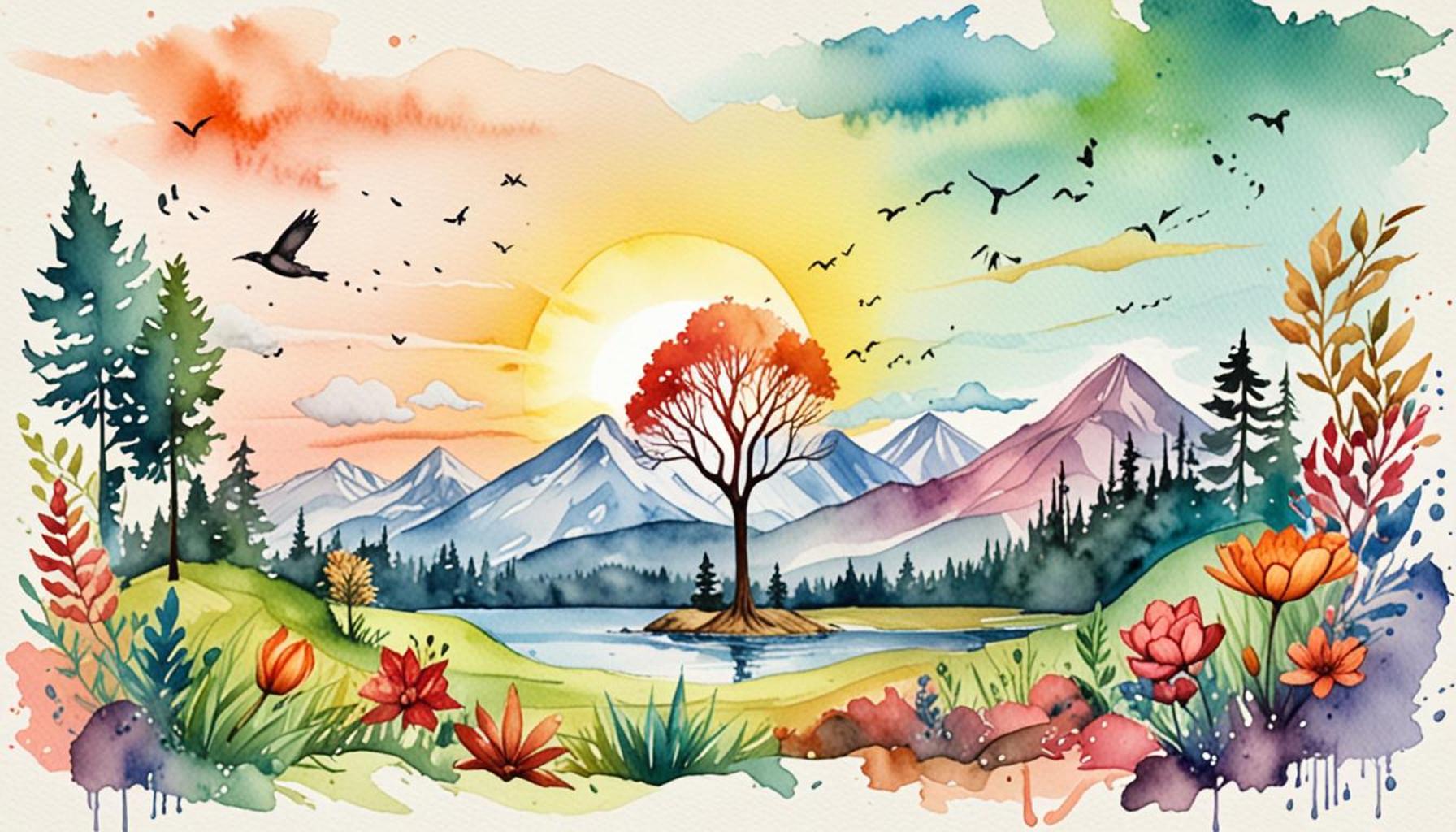
Exploring the Connection Between Nature and Creativity
The interplay between the natural world and artistic expression has been a profound source of inspiration for countless creators throughout history. From the breathtaking landscapes captured by painters like Claude Monet and Vincent van Gogh to the serene melodies composed in the heart of a forest by artists such as Ludwig van Beethoven, nature often acts as a muse that ignites the spark of imagination and creativity.
This connection is especially relevant in today’s context, where many individuals seek to cultivate their creative hobbies in a rapidly urbanizing world. Engaging with the environment not only enhances creative output but also encourages a deeper appreciation for the beauty surrounding us. Studies have shown that spending time in green spaces can improve mental health and increase cognitive function, which in turn can lead to more innovative thinking and creative breakthroughs.
In this article, we will explore the Top 5 ways nature influences artistic inspiration. Each example highlights how different elements of the natural world foster creativity across various artistic mediums.
The Power of Natural Light
Natural light plays a crucial role in artistic inspiration. The changing hues of dawn and dusk create a dynamic palette that artists across all disciplines find intriguing. Photographers often chase the “golden hour,” using this time to capture breathtaking images that resonate with viewers. Similarly, painters find the fluidity of natural light crucial in creating depth and realism in their work.
The Beauty in Natural Forms
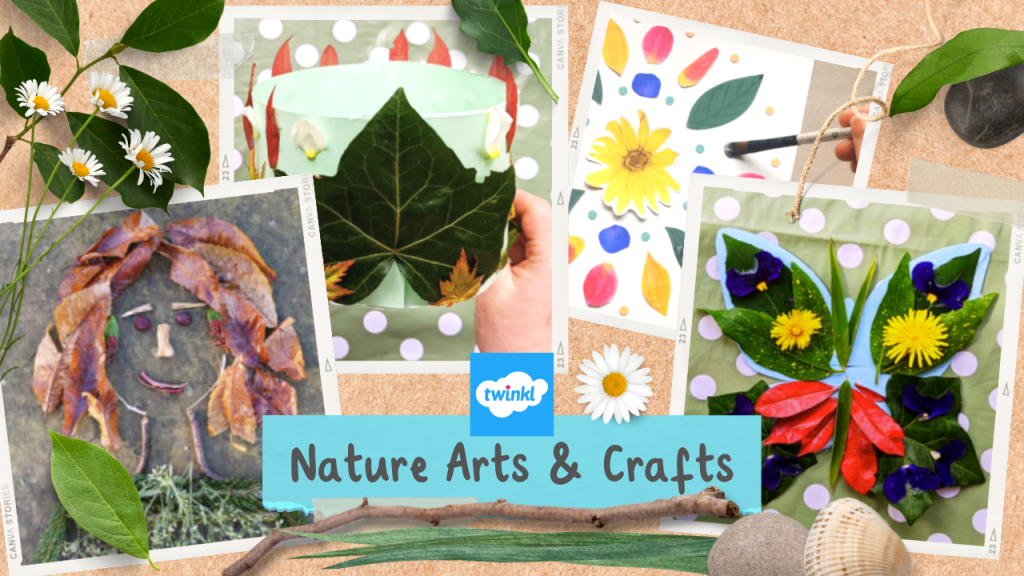
Shapes and patterns found in nature, such as the spiral of a seashell or the symmetry of a leaf, have inspired countless designers and architects. The principles of biomimicry, where elements from nature are replicated in human design processes, showcase how organic forms can lead to more efficient and visually appealing creations.
Soundscapes of the Wilderness
The auditory elements of nature—birdsong, rustling leaves, flowing water—provide musicians with a rich tapestry from which to draw. These natural soundscapes can induce a meditative state, allowing for the free flow of ideas and unlocking potential for new musical compositions.
A Palette of Nature’s Colors
The diversity of colors in a blooming garden or autumn forest is unparalleled. Artists and designers alike look to these vivid palettes for inspiration, incorporating the serene greens, fiery reds, and calming blues of nature into their creations. Many textile and interior designers incorporate these colors into their projects, aiming to evoke certain emotions.
The Emotional Resonance of Nature
Lastly, the emotional experience tied to
The Influence of Nature on Artistic Inspiration: How Environment Shapes Creativity
Nature and art have been entwined throughout history, serving as a continuously rich source of inspiration for artists across generations. But what exactly makes the natural world such a compelling muse for creativity? In this expanded exploration, we delve into how various elements of nature impact creativity, highlighting five distinct aspects. From color and sound to sensory experiences, we’ll navigate how the environment shapes artistic production, revealing the fascinating relationship between the natural world and creative expression.
5. The Role of Natural Colors
The colors found in nature have the profound ability to affect our moods and stimulate artistic inspiration. Scientific studies have shown that the vivid colors present in flowers, foliage, skies, and landscapes can spark creativity and encourage expressive art forms. Famous artists like Claude Monet and Vincent van Gogh brilliantly harnessed these colors, incorporating the vibrant and ephemeral beauty of their environments into their masterpieces. Through carefully selected palettes drawn from nature’s hues, artists can evoke specific emotions and convey deep sentiments.
Consider the simple yet powerful impact of colors like:
- Green: This color is often linked to calmness and rejuvenation, reminding us of lush forests or serene gardens.
- Blue: Associated with tranquility and serenity, evocative of open skies and the endless sea.
- Yellow: Symbolizing joy and optimism, akin to sunlit meadows and fields of wildflowers.
The emotional effects of these colors illustrate that nature’s palette is not merely a visual delight but also a potent creative tool.
4. The Music of Nature
The harmonious sounds of nature—be it the melodic chirping of birds, the gentle rustle of leaves, or the steady flow of a stream—exert a significant influence on creativity. Many composers and musicians have found inspiration in these sounds, weaving them into their musical compositions. Take Beethoven, who often incorporated elements of the natural world into his symphonies, transforming nature’s symphony into enchanting melodies. The ambient, soothing noises of nature create an environment conducive to reflection and musical innovation, freeing the mind and sparking creativity.
Recent scientific research indicates that natural sounds can reduce stress and enhance concentration, which directly translates to greater creative capacity. By attuning to nature’s music, artists can uncover fresh perspectives and invigorate their creative pursuits.
3. Natural Light as a Source of Creativity
Natural light plays a crucial role in shaping artistic perception and representation. The interplay of light with the environment creates dramatic shadows and illuminations that profoundly affect a work’s aesthetic. Impressionist painters like Monet and Renoir excelled in using natural light within their compositions, capturing the essence of fleeting moments as the sun shifted and transformed the landscape.
Sunlight not only influences the visual aspect of art but also has the power to uplift the spirit, fostering a sense of artistic freedom. Studies suggest that exposure to natural light can significantly elevate creativity, notably enhancing artistic output.
2. Interaction with Wildlife
Observing flora and fauna plays a pivotal role in artistic inspiration. For centuries, artists have drawn motivation from animals, translating their beauty and essence into paintings and sculptures. Figures such as Picasso and Frida Kahlo have been influenced by animal motifs in their works, using elements from the animal kingdom to express human emotions. The patterns, movements, and forms inherent in nature often inspire innovative artistic techniques.
Furthermore, themes of environmental protection and wildlife conservation are prominent in contemporary art. There is a clear connection between reverence for nature and the creative drive, prompting artists to contemplate their relationship with the surrounding world.
1. The Sensory Experience of the Natural Environment
Claiming the top spot is the holistic sensory experience provided by nature. Being immersed in a natural setting stimulates not just sight but all senses: the scent wafting from flowers, the feel of grass beneath bare feet, the rhythm of crashing waves. This heightened sensory engagement incurs emotional responses and inspires feelings often translated into art.
Research reveals that merely being present in nature can boost creativity by up to 50%, demonstrating the profoundly positive impact a strong environmental connection has on artistic production. Immersion in natural surroundings allows artists to disconnect from the distractions of daily life and tap into their deepest creative wells.
The Interconnection of Nature and Art
The intricate dance between nature and art demonstrates how deeply ingrained the environment is within the creative process. From the vibrant colors and soothing sounds to the invigorating light and meaningful interactions with wildlife, nature serves as both muse and canvas. Artists throughout history and into the present day continue to explore these connections, drawing inspiration from the world around them and translating it into powerful artistic expressions.
Whether it’s the delicate impressionistic portrayal of a sunrise or a symphony echoing the calls of the forest, the influence of nature is undeniably profound, fostering an organic bond that enriches both art and human experience. By understanding and harnessing this connection, artists can truly unlock the boundless potential of their creativity, inspired by the ultimate masterpiece that is nature itself.
As we delve deeper into the impact of nature on artistic inspiration, it becomes evident that the environment serves as a vital catalyst for creativity. Nature’s elements not only shape the aesthetic beauty of art but also influence the emotional and psychological experience of both artists and audiences. One key aspect of this influence is the phenomenon known as biophilia, which suggests that humans have an innate connection to the natural world. Artistic expressions often reflect this bond, showcasing landscapes, wildlife, and various natural formations in a way that resonates deeply with viewers. For example, the works of artists like Claude Monet encapsulate the interplay between light and nature, inviting audiences to experience the world through a lens of beauty and tranquility. Such representations encourage individuals to explore their surroundings with a renewed appreciation for the intricacies of the natural environment.Moreover, nature’s capacity to evoke profound emotional responses plays a critical role in artistry. The act of engaging with the environment can lead to enhanced creativity, as the sights, sounds, and scents of nature stimulate the senses and ignite the imagination. Numerous studies have illustrated that spending time outdoors can significantly boost mood and cognitive function, enabling artists to break through creative blocks. This phenomenon is particularly relevant in the realm of creative writing, where various authors have drawn inspiration from the serene yet dynamic qualities of nature, resulting in evocative storytelling that resonates with readers on multiple levels.Additionally, nature serves as a source of diverse materials for artists, expanding the boundaries of creativity. From using natural pigments derived from plants and minerals to incorporating organic elements like wood or stone in sculptures, the integration of these materials can lead to innovative art forms that highlight environmental aesthetics. This not only champions sustainability but also deepens the narrative surrounding the artwork, as it mirrors the connection between humanity and nature. The use of such materials in contemporary art has burgeoned, challenging traditional art forms and promoting an ecological consciousness that is increasingly urgent in today’s world.While the relationship between nature and artistry is intricate, it is undoubtedly pivotal. As artists continue to draw from their natural surroundings, their creations serve as a reminder of the profound bond we share with the environment and the endless possibilities it offers for exploration. This interaction encourages not just personal reflection but also a collective recognition of our responsibility to maintain the beauty of the very landscapes that inspire creativity. It is a journey of discovery that points toward a future where art and nature are inextricably linked, fostering a deeper understanding of our place in the world.
Frequently Asked Questions About the Influence of Nature on Artistic Inspiration
How does nature influence an artist’s creativity?
Nature provides a vast array of stimuli that can significantly impact an artist’s creativity. From the vibrant colors of a sunset to the intricate patterns found in leaves, the natural world offers abounding textures, sounds, and sights which artists can draw inspiration from. The tranquil environment often found in nature also allows for deep reflection, giving artists the mental space needed to nurture their creative thoughts and ideas.
Can exposure to nature improve artistic skills?
Exposure to nature can enhance an artist’s skills by fostering improved observation capabilities and encouraging a more empathetic connection to the environment. Studies have shown that being in natural settings can lead to increased attention spans and heightened senses, which in turn can lead to more detailed and nuanced artistic expressions. This setting allows artists to practice being ‘in the moment’, thereby refining their techniques and ability to capture fleeting scenes or emotions.
What role does the sensory experience in nature play in art creation?
The sensory experiences encountered in nature—such as the sound of rustling leaves, the scent of blooming flowers, and the sight of diverse wildlife—are fundamental to art creation. These experiences invoke a multi-sensory response that artists can translate into their work, thereby enhancing its vibrancy and depth. By tapping into the full range of their senses, artists can create works that resonate on a deeper level with their audience.
Are there historical examples of nature-inspired art?
Throughout history, artists have turned to nature for inspiration. The Romanticism movement in the 18th and 19th centuries, for instance, placed a strong emphasis on the beauty and power of nature. Painters like J.M.W. Turner and Claude Monet dedicated many works to the portrayal of landscapes and natural light. Furthermore, indigenous artwork across the globe often mirrors the profound spiritual connection between communities and their natural surroundings.
How does urban living affect an artist’s relationship with nature?
Urban living can sometimes create a disconnect between artists and the natural world. However, it also presents a set of unique challenges that can lead to a creative merging of urban and natural themes. Artists living in cities may find inspiration in urban parks, community gardens, and even in the small weeds persistently growing through concrete. Such encounters can lead to a renewed appreciation and innovative depiction of the interplay between man-made and natural elements within artistic creations.
Conclusion
The exploration of nature’s influence on artistic inspiration reveals an intricate relationship between the environment and creativity. Throughout our examination, it became evident that nature serves not only as a visual muse but also as a profound catalyst for the creative process. From painters to poets, musicians to sculptors, countless artists draw inspiration from the natural world, often finding their most profound work arising from interactions with their surroundings.
Several key points emerged from the discussion. Firstly, the sensory experiences provided by nature – the colors, sounds, and textures – stimulate the mind, fostering a unique form of creative thinking. Secondly, nature offers both tranquility and a sense of the sublime, which can lead to a reflective state conducive to artistic creation. Moreover, many artists have highlighted the importance of nature as a source of endless patterns and designs, offering a rich tapestry from which to draw inspiration. Additionally, scientific studies have underscored that regular exposure to nature can enhance mental clarity and emotional well-being, further fueling creativity.
As we navigate an increasingly urbanized world, the importance of maintaining a connection with nature cannot be understated. For those engaged in creative hobbies, seeking inspiration from the natural environment can open avenues for innovation and introspection that are otherwise unattainable.
In light of these insights, it is clear that nature’s role in shaping creativity is invaluable. Artists and hobbyists alike are encouraged to explore and embrace the natural world, allowing its wonders to inspire and reshape their artistic endeavors. This exploration not only enhances personal creative expression but also fosters a deeper appreciation for the environment. As we continue to interrogate this dynamic interplay, the potential for new discoveries remains boundless, inviting us all to look to nature as a timeless source of creative inspiration.
Related posts:
Artistic Inspiration in Indigenous Cultures: Translating Traditions into Creation
The Role of Graphic Literature in Artistic Inspiration: Comic Books as a Source of Creativity
The Art and Human Nature: Exploring Emotions and Experiences as a Source of Inspiration
The Intersection of Music and Painting: Exploring How Sounds Can Stimulate Artistic Creation
The Influence of Nature on Art: How Natural Environments Inspire Creativity
The Influence of Dreams on Artistic Creation: Exploring the Unconscious as a Source of Inspiration

Linda Carter is a writer and creative hobbies expert specializing in crafting, DIY projects, and artistic exploration. With extensive experience helping individuals discover their creative potential and bring their ideas to life, Linda shares her knowledge on our platform. Her goal is to empower readers with practical tips, inspiring ideas, and step-by-step strategies for success in the world of creative hobbies.